
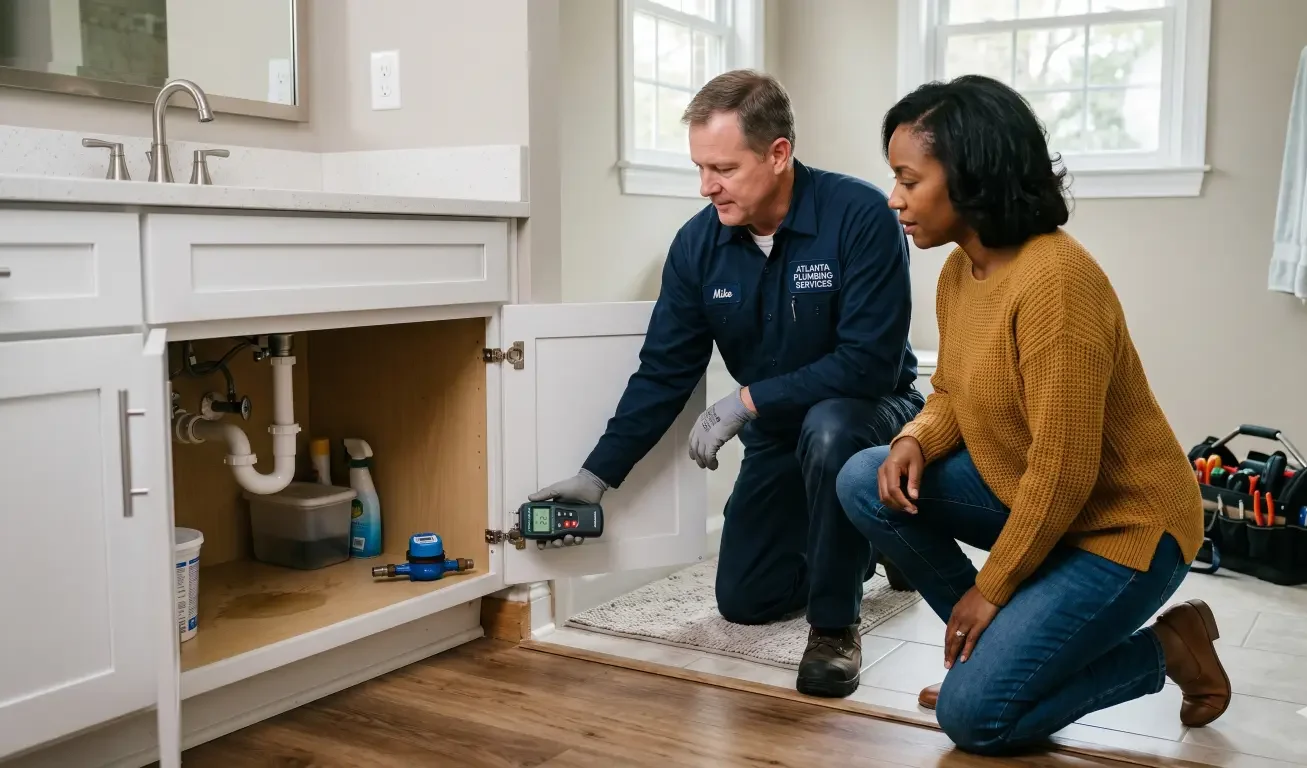
A plumbing leak is not always dramatic. Sometimes there is no water spraying under the sink, no puddle in the hallway, and no obvious ceiling stain. Many leaks start quietly behind walls, under floors, in slab foundations, around fixtures, or in underground lines. By the time the damage is visible, the leak may have already affected drywall, flooring, framing, cabinets, insulation, or the home’s water bill.
That is why homeowners need to know the hidden leak signs that are easy to overlook. A sudden water bill spike, a musty odor, warm flooring, low water pressure, or a water meter that moves when every fixture is off can all point to a problem that deserves attention.
The goal is not to panic over every unusual sound or damp spot. The goal is to catch leaks before damage spreads. With a few simple checks and a clear understanding of when to call a plumber, homeowners can protect the property, reduce repair complexity, and avoid waiting until a small issue becomes a major one.
Why Hidden Leaks Are So Easy to Miss
Hidden leaks are difficult because plumbing runs through areas homeowners do not see every day. Water lines may be inside walls, under cabinets, below concrete slabs, in crawl spaces, behind appliances, or under the yard between the meter and the home.
A visible leak usually gets attention quickly. A hidden leak may only show indirect symptoms. The air smells damp. A floor feels slightly soft. A water bill increases without a clear reason. Paint begins bubbling. A cabinet base looks swollen. A toilet runs occasionally. These small signals are easy to dismiss, especially when life is busy.
Leaks also vary in speed. A small pinhole leak may release a little water over a long period. A slab leak may stay hidden until flooring changes or water pressure drops. A drain leak may only happen when a fixture is used. A main water line leak may happen underground, where the first sign is a bill increase or soggy area in the yard.
Because hidden leaks can be subtle, homeowners should pay attention to patterns. One sign may not prove there is a leak, but several signs together should move the issue higher on the priority list.
1. A Sudden Water Bill Spike With No Clear Explanation
One of the most common hidden leak signs is a water bill spike with no visible leak. If your household habits have not changed, but the bill jumps noticeably, the home may be losing water somewhere.
Start by asking a few basic questions. Did you fill a pool? Water new landscaping? Host guests? Run irrigation more often? Replace a toilet or appliance? If the answer is no, the bill increase may deserve a closer look.
A running toilet, underground line leak, slab leak, irrigation leak, or hidden fixture leak can waste a surprising amount of water. Even a slow leak can add up over a full billing cycle.
If the bill is unusually high, do not wait for visible damage. Run a simple meter test and inspect the most common leak points. If the meter suggests water is moving when everything is off, it may be time to call a professional plumber.
2. The Water Meter Moves When Everything Is Off
A water meter leak test is one of the simplest ways to check for a possible hidden leak. It does not tell you exactly where the leak is, but it can help confirm whether water is moving through the system when it should not be.
To do a basic water meter leak test, turn off all water-using fixtures and appliances in the home. Make sure faucets are off, toilets are not running, washing machines and dishwashers are not operating, and irrigation is off. Then look at the water meter. If the leak indicator or meter dial continues moving, water may still be flowing somewhere.
For a second check, write down the meter reading, avoid using water for a set period, and then check the reading again. If the number changes while no water was used, there may be a leak.
This test is helpful for homeowners, but it is not a full diagnosis. A plumber can help determine whether the issue is inside the home, underground, in an irrigation line, at a fixture, or in another part of the system.
3. Musty Odors or Damp Smells
A musty smell can be an early warning sign of moisture trapped behind walls, under flooring, in cabinets, or around baseboards. Even when you cannot see water, your nose may notice the problem first.
Pay attention to odors that return after cleaning or ventilation. A bathroom that always smells damp, a kitchen cabinet with a sour odor, or a closet that smells musty may have moisture nearby.
In Georgia homes, humidity can make moisture issues harder to interpret. Not every musty smell is a plumbing leak. But if the odor is localized, persistent, or paired with staining, soft materials, or higher water usage, it should not be ignored.
Hidden moisture can also contribute to material damage over time. A professional inspection can help determine whether the smell is tied to plumbing, ventilation, roof intrusion, foundation moisture, or another source.
4. Stains, Bubbling Paint, or Warped Walls
Water behind a wall often announces itself through surface changes. Paint may bubble. Wallpaper may peel. Drywall may stain, soften, swell, or feel cool to the touch. Baseboards may separate from the wall or show discoloration.
These signs are easy to overlook when they start small. A faint yellowish mark on a ceiling, a tiny bubble near a shower wall, or a slightly warped section of trim may seem cosmetic. But water damage is rarely just cosmetic if the source is still active.
Look especially around bathrooms, kitchens, laundry rooms, water heaters, and rooms below plumbing fixtures. A stain under an upstairs bathroom or near a refrigerator line should be investigated quickly.
If the stain grows, darkens, or feels damp, avoid painting over it before identifying the source. Covering the symptom does not stop the leak.
5. Soft Flooring, Buckling, or Warm Spots
Floors can reveal hidden plumbing problems. Wood, laminate, or vinyl may warp, buckle, cup, or separate. Tile may loosen. Carpet may feel damp or smell musty. In some cases, flooring may feel unusually warm, especially if a hot water line under the slab is leaking.
A warm spot on the floor can be one possible slab leak sign, particularly if the home has water lines under the concrete. Other slab leak indicators may include the sound of running water when fixtures are off, unexplained water usage, cracks, damp flooring, or low water pressure.
Not every floor issue means a slab leak. Flooring can change due to humidity, installation issues, spills, or foundation movement. But when flooring changes appear near plumbing areas or come with water bill increases, they should be checked.
Slab leaks can be complex because the pipe may be under concrete. Early detection helps homeowners understand the repair options before damage spreads.
6. Low Water Pressure or Pressure Changes
A hidden supply line leak may reduce water pressure. If pressure drops suddenly throughout the home or in one area, the plumbing system may be losing water before it reaches the fixture.
Pressure issues can also come from clogged aerators, water heater problems, valve issues, mineral buildup, municipal supply changes, or pressure regulator problems. The key is to notice changes that are new, persistent, or paired with other leak signs.
If one sink has low pressure, start by checking the aerator and shutoff valve. If multiple fixtures show pressure problems, or the issue appears after a water bill spike, it may be more than a simple fixture issue.
A plumber can test pressure, inspect valves, and determine whether the problem points to a leak, blockage, regulator, water heater, or supply issue.
7. The Sound of Running Water When Nothing Is On
If you hear water running, hissing, dripping, or rushing when all fixtures are off, pay attention. Some hidden leaks create sound before visible damage appears.
Listen near walls, bathrooms, under sinks, around the water heater, and near the main shutoff. A slab leak may sometimes produce a faint running-water sound under the floor. A toilet leak may sound like occasional refilling. A pipe leak inside a wall may create a drip or hiss.
Sound alone does not always identify the problem. Appliances, HVAC systems, irrigation systems, or nearby units can create confusing noises. But if the sound is new and the meter test suggests water movement, it is worth investigating.
8. Toilets That Run, Refill, or Seem Quietly Wasteful
Toilet leaks are common and can be surprisingly expensive. A toilet may leak from the tank into the bowl without creating a puddle on the floor. The homeowner may only notice a periodic refill sound, a faint ripple in the bowl, or a higher water bill.
A simple dye test can help. Add a few drops of food coloring to the toilet tank and wait without flushing. If color appears in the bowl, water is leaking from the tank into the bowl, often because of a flapper, seal, chain, or fill valve issue.
Toilet leaks are not always hidden in the same way as a wall leak, but they are frequently missed because they do not create visible damage. Fixing them early can save water and reduce unnecessary costs.
9. Cabinet Damage Under Sinks
Under-sink leaks can stay hidden because many homeowners store cleaning supplies, bags, or bins in the cabinet. A slow drip may soak the cabinet base before anyone notices.
Check under sinks regularly. Look for staining, swelling, soft wood, rusted supply lines, damp items, mineral buildup, or a musty odor. Run water while looking at the drain connections and supply lines. Also check after using the garbage disposal or dishwasher, since some leaks only appear during certain cycles.
A small under-sink leak can damage cabinets and flooring if ignored. If the leak is coming from a supply line, shutoff valve, drain assembly, or disposal connection, a plumber can help repair it before the cabinet damage worsens.
10. Water Heater Area Moisture
The water heater area should stay dry. Moisture around the base, corrosion, dripping from fittings, rust-colored stains, or frequent temperature and pressure relief valve discharge can signal a problem.
Some water heater issues are minor, while others require quick attention. A leaking tank often cannot be repaired the same way a fitting can. If the tank itself is leaking, replacement may be needed.
Because water heaters involve plumbing, heat, pressure, and sometimes gas or electrical connections, homeowners should be careful. If you see active leaking, turn off the water supply to the unit if you can do so safely and call a professional.
11. Soggy Spots in the Yard
Not all hidden leaks are inside the home. A water line leak between the meter and the house may show up as a soggy area in the yard, unusually green grass, soft soil, pooling water, or a muddy area that does not match recent weather.
Irrigation leaks can create similar signs. So can drainage problems, grading issues, or stormwater patterns. The difference is often timing and consistency. If the wet area remains during dry weather or appears with a water bill spike, a water line leak should be considered.
Underground leaks can be difficult to pinpoint without the right tools. A plumber can help determine whether the issue is the main water line, irrigation, sewer, drainage, or another source.
12. Cracks, Settling, or Foundation-Adjacent Moisture
Water around or under a foundation can create serious concerns. In some cases, a slab leak or underground plumbing issue may contribute to moisture near the foundation, flooring changes, or cracks. In other cases, foundation movement or drainage problems may be unrelated to plumbing.
Homeowners should avoid jumping to conclusions, but they should also avoid ignoring the signs. If foundation-adjacent moisture appears with plumbing symptoms such as water usage changes, warm flooring, pressure drops, or running-water sounds, the plumbing system should be evaluated.
Early professional assessment can help separate plumbing issues from structural, drainage, or waterproofing concerns.
How to Tell If You Have a Hidden Leak
If you suspect a hidden leak, start with simple checks. Review your water bill. Look for stains, odors, soft materials, and flooring changes. Check under sinks, around toilets, near the water heater, and outside near the water line path. Run a water meter leak test when all fixtures are off.
Then look at the pattern. One small sign may have a simple explanation. Several signs together may point to a leak. For example, a high water bill plus a moving meter plus a musty wall area is stronger evidence than one of those signs alone.
Homeowners should also pay attention to urgency. Active dripping, spreading stains, soft flooring, sewage odors, water heater leaks, or suspected slab leaks should be addressed quickly.
When to Call a Professional Plumber
Call a plumber when you cannot identify the source, when the meter indicates water movement with everything off, when damage is spreading, when the leak may be inside a wall or under a slab, or when the issue involves water heaters, main lines, sewer lines, or gas-connected equipment.
Professional plumbers have tools and experience that help narrow down leak locations without unnecessary demolition. Depending on the situation, they may inspect fixtures, pressure-test lines, evaluate the water heater, check valves, examine crawl spaces, or recommend leak detection methods.
Daniels Plumbing Services serves homeowners and businesses across the Atlanta, Marietta, Acworth, Kennesaw, Woodstock, Roswell, Sandy Springs, Smyrna, Alpharetta, Canton, and surrounding Georgia areas. The company handles residential and commercial plumbing repair, drain and pipe issues, water heaters, water lines, trenchless pipe solutions, smart leak detection, and other plumbing needs.
If you are seeing hidden leak signs or your water bill has jumped with no clear reason, scheduling a professional inspection can help you move from guessing to clarity.
How Smart Leak Detection Can Help
Smart leak detection and automatic shut-off systems can add another layer of protection. These systems are designed to monitor water use, alert homeowners to unusual activity, and in some setups automatically shut off the water when a major leak is detected.
Smart protection is not a replacement for good plumbing maintenance, but it can be valuable for homeowners who travel, own second homes, manage rental properties, or simply want earlier warning when water use becomes abnormal.
Because these systems are installed into the plumbing system, professional installation is important. Daniels Plumbing Services promotes smart leak detection and automatic shut-off solutions as part of its specialty plumbing technology offerings, helping homeowners add protection beyond visual checks.
A Simple Hidden Leak Checklist for Homeowners
Use this checklist if you suspect a leak:
- Compare your current water bill to previous months.
- Turn off all water fixtures and check whether the water meter still moves.
- Look under sinks for moisture, swelling, stains, or musty odors.
- Listen for running water when no fixtures are on.
- Check toilets for silent leaks using a dye test.
- Inspect ceilings, walls, baseboards, and cabinets for staining or bubbling.
- Watch for soft flooring, buckling, or warm spots.
- Inspect around the water heater for moisture or corrosion.
- Look outside for soggy areas or unusually green patches during dry weather.
- Call a plumber if the source is unclear or the signs are getting worse.
Hidden leaks rarely fix themselves. They may start small, but they can lead to wasted water, higher bills, damaged materials, mold concerns, and more complex repairs if ignored.
The best time to act is when the signs are still subtle. A water bill spike, a moving meter, a musty smell, a soft floor, or a small stain may be the warning that helps you catch the problem early.
If you think your home may have a hidden leak, Daniels Plumbing Services can help identify the issue and recommend the right repair path. Make an appointment or call for professional plumbing help before the damage spreads.
FAQ
What are the most common hidden leak signs in a house?
Common hidden leak signs include a sudden water bill spike, musty odors, bubbling paint, warped flooring, soft cabinets, running-water sounds, low water pressure, soggy yard spots, and a water meter that moves when all fixtures are off.
How do I do a water meter leak test?
Turn off all water fixtures and water-using appliances, then check the water meter. If the leak indicator or dial continues moving, water may be flowing somewhere in the system. You can also record the reading, avoid using water, and check again later for changes.
Can a high water bill mean I have a hidden leak?
Yes. If your water usage habits have not changed and the bill increases suddenly, a hidden leak may be one possible cause. Running toilets, underground line leaks, irrigation leaks, and slab leaks can all raise water usage.
What is the difference between a slab leak and a pipe leak?
A slab leak usually refers to a leak in a water line beneath a concrete slab foundation. A pipe leak can happen in many locations, including walls, ceilings, cabinets, crawl spaces, or underground lines. Slab leaks are often harder to access and may require specialized detection.
When should I call a plumber for a suspected hidden leak?
Call a plumber if the water meter moves when everything is off, the source is not visible, damage is spreading, flooring is soft or warm, the water heater is leaking, or you suspect a slab or underground line leak.
RELATED LINK: