
When one sink drains slowly, the problem might be close to that fixture. Hair, soap buildup, food scraps, or a small trap blockage could be enough to slow the water down.
When multiple drains slow down at the same time, the situation changes. A slow bathroom sink plus a gurgling toilet, a shower that backs up when the washer runs, or drains that all seem sluggish after heavy use can point to something deeper in the plumbing system.
That does not mean you should panic. It does mean you should stop treating the issue like a simple sink clog until you understand the pattern. This guide explains how to map the symptoms, what warning signs may suggest a main sewer line problem, where DIY fixes have limits, and when it is time to call a plumber before the backup gets worse.
Why Multiple Slow Drains Matter
Your home has branch drain lines that serve individual fixtures or fixture groups, and those lines eventually feed into a larger main drain or sewer line. If only one fixture is slow, the blockage may be local. If several fixtures slow down together, the restriction may be farther downstream where multiple lines connect.
That is why symptom mapping is so useful. The goal is not to diagnose the exact location on your own. The goal is to notice whether the problem behaves like an isolated clog or a shared drainage issue.
For example, a kitchen sink that drains slowly by itself may be a localized kitchen line problem. But if the kitchen sink, laundry drain, downstairs toilet, and shower are all acting strange, the issue may be closer to the main line. The more fixtures involved, especially on the lowest level of the home, the more seriously you should take it.
Start by Mapping Which Fixtures Are Affected
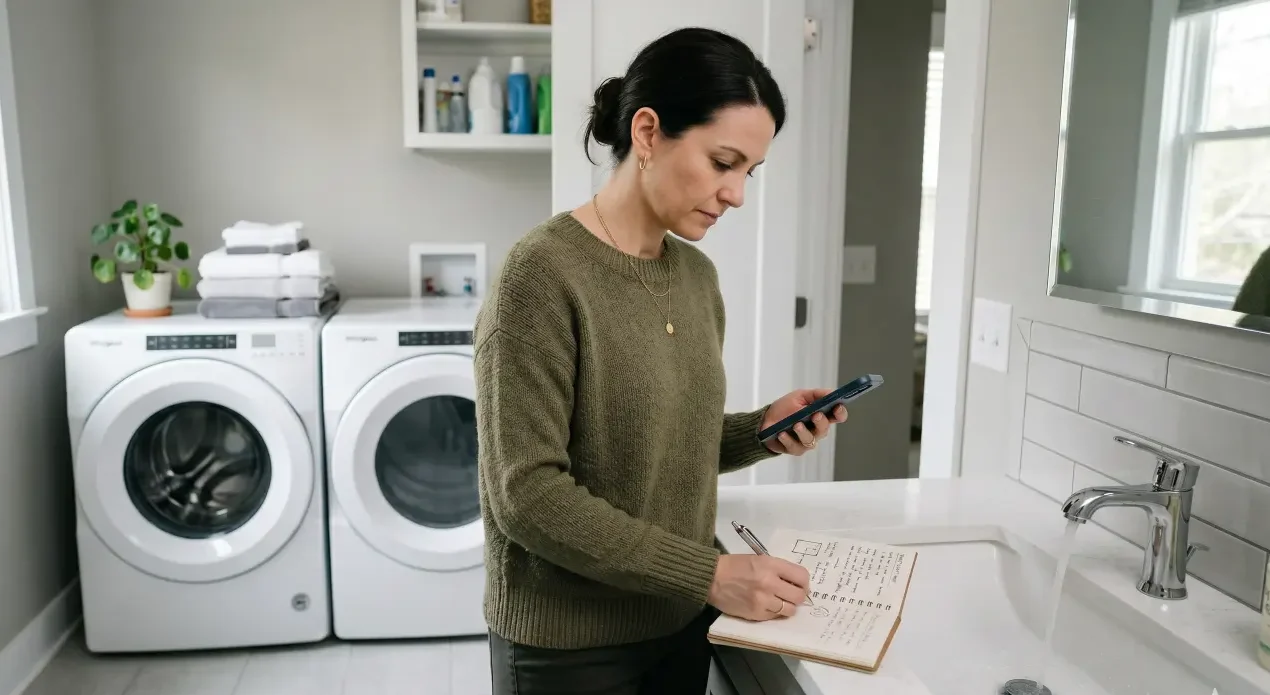
Before you reach for a drain cleaner or start plunging everything, make a simple map of what is happening. Write down which fixtures are slow, which fixtures gurgle, which fixtures back up, and when the symptoms appear.
Pay special attention to the lowest drains in the home, such as a basement floor drain, downstairs shower, tub, or toilet. Main line problems often show up there first because wastewater follows gravity and backs up at the lowest available opening.
Also notice whether the symptoms happen only when one fixture is used or when several fixtures are used together. If the shower backs up only after the washing machine drains, that is an important clue. If the toilet gurgles when the sink drains, that can suggest air or water is being displaced because the line is not flowing freely.
Clue 1: A Toilet Gurgles When Another Fixture Drains
A gurgling toilet is one of the most common warning signs homeowners notice. The sound may happen when a sink drains, when a tub empties, or when the washing machine discharges water.
Gurgling can happen when air is being pulled or pushed through the plumbing system because water is struggling to move through a restriction. It can also relate to venting issues. Either way, it is a sign that the drain system is not behaving normally.
If the toilet gurgles once and everything else works normally, you may not have an emergency. But if gurgling happens repeatedly and other drains are slow, treat it as a warning. Do not keep running large amounts of water to “test it” if lower fixtures are already showing signs of backup.
Clue 2: The Shower or Tub Backs Up When the Washer Runs
A washing machine sends a lot of water into the drain line quickly. If the main line is partially blocked, that sudden discharge can expose the problem faster than a slow-running faucet.
If water comes up in a shower, tub, floor drain, or low fixture when the washer drains, stop and take the pattern seriously. That symptom can indicate the water has nowhere to go quickly enough, so it is backing up through another opening.
This is different from a single shower drain that is clogged with hair. A shower that backs up when another appliance runs is often a system-level clue, not just a shower problem.
Clue 3: Several Fixtures Slow Down at the Same Time
The phrase “multiple drains slow” usually matters most when the fixtures are in different rooms or on different branches of the home. A slow sink and tub in the same bathroom may still be a localized branch issue. A slow kitchen sink, slow laundry drain, and slow downstairs toilet suggest a broader restriction.
Look for timing. Did the problem appear suddenly? Did it start after heavy rain? Did it show up after guests stayed over, a renovation project, or a period of heavy water use? Did it begin gradually and then become more frequent? These details help a plumber narrow the likely cause.
Common causes can include a main sewer line clog, root intrusion, grease buildup, collapsed or damaged pipe, a belly in the line, foreign objects, or heavy scale and debris buildup. The right fix depends on what is actually happening inside the line.
Clue 4: Water Appears at the Lowest Drain First
If water backs up from a basement drain, downstairs shower, or low tub, do not ignore it. Those fixtures often show the earliest signs of a main line restriction because they are the easiest place for backed-up water to appear.
If the backup includes sewage, strong odor, or dirty water, stop using plumbing fixtures and call for help. Continuing to run water can make the mess worse and increase damage to flooring, walls, or belongings.
This is where fast action matters. The goal is to prevent a small warning sign from becoming a larger property damage problem.
DIY Limits: What You Can Check Safely
There are a few simple checks homeowners can make without tearing anything apart. You can confirm which fixtures are affected, check whether the issue is isolated to one room, look for gurgling sounds, note any sewage odor, and see whether lower drains are reacting when other fixtures run.
You can also remove visible debris from a sink stopper or shower strainer if the issue appears isolated. If one bathroom sink is slow and every other fixture works normally, a basic local clog may be the issue.
But be careful with chemical drain cleaners, repeated plunging, or aggressive DIY tools when multiple fixtures are involved. If the main line is restricted, harsh chemicals may sit in the piping or back up into fixtures. A small hand snake may not reach the real problem. Repeated force can also make a messy backup worse if the line is already close to blocked.
When to Call for Main Line Snaking or Inspection
Call a plumber when two or more fixtures are slow at the same time, a toilet gurgles when another fixture drains, a tub or shower backs up when the washer runs, water appears at a low drain, or the problem returns shortly after a DIY attempt.
A plumber may start with symptom mapping and then determine whether main line snaking, drain cleaning, camera inspection, or another diagnostic step is appropriate. The point is to clear the immediate restriction when possible and understand whether there is an underlying cause that will keep coming back.
For example, if a cable clears the line but roots, damaged pipe, or heavy buildup are present, the homeowner may need a longer-term conversation about repair options. Daniels Plumbing Services offers drain cleaning, sewer and drain support, and specialty pipe lining solutions, so the conversation can move from “clear the clog” to “understand why it happened” when needed.
What a Plumber May Look For
A professional diagnostic visit is usually about pattern, access, and evidence. The plumber may ask which fixtures are affected, when symptoms started, whether water is backing up anywhere, whether the home has had previous sewer line issues, and whether the problem appears after laundry, showers, or heavy use.
Depending on the situation, the next step may include locating a cleanout, using drain equipment, checking flow, or recommending a camera inspection. A camera inspection can help identify roots, breaks, offsets, bellies, buildup, or other physical problems inside the line.
Not every slow drain requires a camera inspection, and not every main line clog means the pipe must be replaced. The right path depends on the symptoms and what the plumber finds.
Warning Signs That Should Not Wait
Some symptoms deserve faster attention than others. Call promptly if you notice sewage odor, dirty water backing up, multiple toilets not flushing correctly, water coming up in a tub or shower, a floor drain overflow, or repeated gurgling across the home.
You should also act quickly if the problem affects a business, rental property, or household where plumbing downtime creates a serious disruption. Main line issues rarely improve on their own once the line is significantly restricted.
While you wait for help, avoid running unnecessary water. Do not start laundry, run the dishwasher, or take long showers if lower fixtures are already backing up. Reducing water use can help limit the mess until the line is evaluated.
How to Explain the Problem When You Call
The clearer you are when you call, the easier it is for the plumbing team to understand the likely urgency. You do not need technical language. Use the symptoms you can observe.
You might say: “Two bathrooms and the laundry drain are slow,” or “The toilet gurgles when the sink drains,” or “The shower backs up when the washer runs.” Mention whether the issue is getting worse, whether dirty water is involved, and whether any lower-level drains are affected.
Also share any recent history: previous clogs, tree roots, sewer repairs, renovations, heavy rain, or recurring problems. Those details can help the plumber prepare for the visit.
Why the Fastest Fix Is Not Always the Complete Fix
A drain line can sometimes be cleared quickly, but that does not always explain why the problem happened. If the issue was caused by a one-time blockage, a cleaning may be enough. If the line has roots, heavy grease, broken pipe, or structural issues, the symptoms may return.
That is why it is helpful to think in two steps: restore flow first, then understand the cause. For some homes, the long-term fix may be maintenance and better usage habits. For others, it may involve more detailed inspection, repair, or trenchless pipe rehabilitation when appropriate.
Daniels Plumbing Services’ broader plumbing and specialty solution focus can be useful here because homeowners may need more than a quick unclog. They may need a practical explanation of the repair path, disruption level, and options available.
Final Takeaway
One slow drain may be a local clog. Multiple slow drains at the same time deserve a closer look.
If toilets gurgle, showers back up when the washer runs, low drains overflow, or several rooms slow down together, the issue may be in the main line or another shared part of the drainage system. Mapping the symptoms helps you avoid guessing, but it should not turn into a risky DIY project.
If you are seeing main line warning signs in your Atlanta-area home or business, call Daniels Plumbing Services to schedule an appointment. A proper inspection can help confirm what is happening, restore flow, and identify whether the problem is isolated or likely to return.
FAQs
What does it mean when multiple drains are slow at the same time?
Multiple slow drains can suggest a restriction in a shared branch line or the main sewer line, especially if the affected fixtures are in different rooms or on the lowest level of the home.
Why does my toilet gurgle when the sink drains?
A toilet may gurgle when air is being pushed or pulled through the plumbing system because water is not flowing freely. It can point to a drain restriction or venting issue, especially when other fixtures are also slow.
Why does my shower back up when the washing machine runs?
A washing machine releases a large amount of water quickly. If the drain line is restricted, that water may back up into a lower fixture such as a shower, tub, or floor drain.
Can I fix multiple slow drains myself?
You can map the symptoms and remove visible debris from individual drains, but repeated slow drains in multiple rooms usually deserve professional evaluation. Chemical drain cleaners and small DIY snakes may not reach or solve a main line problem.
When should I call for main line snaking?
Call when two or more fixtures are slow, when a toilet gurgles during other fixture use, when a shower or tub backs up, or when the problem returns after a simple attempt to clear it.
Are multiple slow drains always a sewer line problem?
Not always. They may involve a shared branch line, venting issue, or another drainage problem. A plumber can evaluate the pattern and determine whether main line cleaning, camera inspection, or another step is appropriate.
RELATED LINK: