
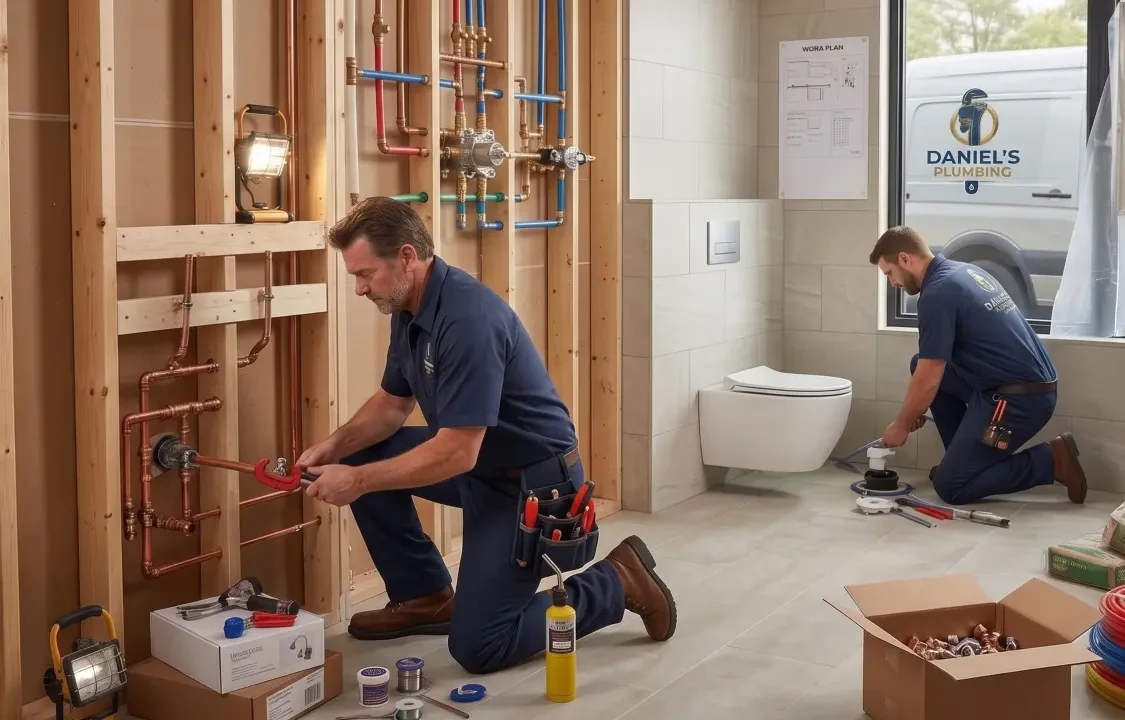
A bathroom remodel can look straightforward on paper until the plumbing starts changing behind the walls and under the floor.
That is especially true when you are changing a tub to a walk-in shower and trying to budget before quotes come in. From a homeowner’s perspective, the upgrade can feel simple: remove one fixture, install another, update the tile, and move on.
But bathroom remodel plumbing cost drivers usually have less to do with the visible fixture and more to do with what has to be reworked to support it.
That hidden scope is where surprises happen. A drain may need to move. Venting may need attention. The floor structure may affect what is practical. An older bathroom may reveal rough-in limitations only after the work starts. None of that means your remodel is a bad idea. It just means the plumbing side needs to be understood early if you want fewer quote-stage surprises and a more realistic budget.
Why Bathroom Remodel Plumbing Costs Surprise Homeowners
Most homeowners plan a bathroom remodel from the finished-room perspective. They are thinking about the shower glass, the new vanity, the tile, the fixtures, and maybe the extra storage. That makes sense because those are the parts you can see and compare.
The plumbing scope is different. It lives behind finished surfaces and below the floor, so it is easy to underestimate until a quote forces it into view.
This is one reason two bathroom remodel quotes can look very different even when the finished design appears similar. One proposal may assume the layout stays close to the original. Another may include more extensive drain relocation, venting adjustments, or work needed to support a new shower setup. From the homeowner’s side, it can look like inconsistent pricing. In reality, the scope behind the walls may be what is changing.
That is why a tub-to-shower conversion is such a useful example. On the surface, you are replacing one bathing fixture with another. But the plumbing may not line up as neatly as the visual plan suggests. The project can move from “fixture replacement” to “rough plumbing rework” quickly, especially when the goal is a more open layout or a different shower position.
The biggest budget shifts in bathroom remodel plumbing usually come from hidden labor, access, and layout changes. Not from the fact that a new fixture is more modern or more attractive.
The Fastest Way to Tell Whether Your Remodel Is Plumbing-Simple or Plumbing-Complex
The clearest dividing line is this: are you keeping the core plumbing locations where they are, or are you asking the system to move and adapt?
A remodel is usually more plumbing-simple when the toilet stays in place, the shower or tub remains in roughly the same location, and the new design works with existing supply and drain paths. That does not make the job small, but it often keeps the rough plumbing scope more contained.
A remodel becomes more plumbing-complex when fixtures shift position, new features are added, or the new layout asks the existing system to do something it was not originally designed to support. That includes things like moving the toilet, relocating the shower, converting a tub to a walk-in shower with a different drain setup, or adding a second shower head that changes water supply requirements.
Homeowners do not need to know every technical detail to use this test. A practical way to think about it is:
If the remodel keeps the room’s plumbing logic intact, the job is often more predictable.
If the remodel changes how the room functions, where the fixtures sit, or what the rough plumbing needs to support, the job usually carries more hidden cost drivers.
This is where many bathroom remodel plumbing cost drivers start showing up. Not because the project is unusually fancy, but because plumbing systems are easier to update when they are being refined than when they are being reorganized.
Changing a Tub to a Walk-In Shower Isn’t Always a Simple Swap
A tub-to-shower conversion is often presented as a clean upgrade. And aesthetically, it can be. It may improve accessibility, open up the room, and make the space feel more current.
But from a plumbing standpoint, it is not always a direct one-for-one swap.
Drain location and size changes
One of the first questions is whether the existing drain setup works for the new shower design.
A homeowner may assume that because a tub was already there, the new shower can simply use the same plumbing without much adjustment. Sometimes the layout is close enough that this stays relatively straightforward. Other times, the drain location for the new shower base or pan does not line up with the existing tub drain the way the finished design requires.
That is where complexity starts creeping in. Even a modest change in drain placement can affect labor, access, and coordination with the floor structure. If the finished look depends on centering the shower differently or using a different base configuration, the plumbing may need to follow.
Shower pan, slope, and floor structure considerations
A walk-in shower can also change what the floor needs to do.
The visible design decision may be about style or accessibility, but the hidden question is whether the structure beneath can support the new configuration without extra work. The plumbing does not exist in isolation. Drain routing, slope requirements, and shower construction all interact with what is possible below the finished tile.
This is one reason shower relocation plumbing complexity is easy to underestimate. Homeowners are often looking at the wall tile and glass panel. The plumber is also looking at what has to happen below that surface for the shower to function correctly.
Why this upgrade often changes more than homeowners expect
A tub-to-shower conversion often ends up affecting more than the single fixture because it touches several layers of the room at once. The drain location may need to shift. The shower valve location or supply setup may change. The framing or floor access may matter more than expected. And if the bathroom is older, the surrounding plumbing may not match the new plan as cleanly as the homeowner hoped.
That does not mean the conversion is a bad investment. It means the project deserves early plumbing review so the quote reflects the real scope, not just the visible design.
Moving Drains Is One of the Biggest Hidden Cost Drivers
If there is one remodel choice that consistently changes the plumbing conversation, it is moving drains.
That is because drains are not decorative components. They are tied to slope, routing, structural access, and the existing layout of the house. Once you decide a fixture needs to move, the work underneath it often expands.
Moving a toilet drain vs moving a shower drain
Not all drains create the same level of complexity.
Homeowners often notice moving toilet drain cost drivers because the toilet feels like a simple object in the room, but its drain is not especially flexible from a planning standpoint. Moving it may affect the floor opening, the routing below, and the practical layout around it.
A shower drain can also become complex, especially when the finished design calls for a new shower footprint, different entry orientation, or a walk-in layout that changes where the drain needs to land.
The important takeaway is not which one is “worse” in every case. It is that drain relocation is usually more involved than fixture replacement in place. Once the drain moves, the project often becomes less about swapping products and more about reworking the room’s plumbing foundation.
Access challenges in slab vs crawl space or framed floors
Access is another major hidden cost driver.
A drain change may be one level of work if the plumber has relatively direct access below the bathroom. It may become a very different project if the floor system, structure, or existing conditions make that access harder. Homeowners do not always see this when comparing designs, but it can shape labor and timeline significantly.
This is one reason two homes with similar bathrooms may not carry the same remodel plumbing scope. The finished design may match, but the way the plumber has to reach and rework the piping may not.
Why “just a few feet over” can change the job scope
This is one of the most common homeowner assumptions in bathroom renovations: the fixture is only moving a little, so the plumbing change should be minor.
Sometimes that is true. Often, it is not.
A small shift on the surface can trigger a larger rework path because the plumbing below does not move in a perfectly simple line. The new location still has to work with drainage, routing, structure, and the rest of the system. So even when the fixture only moves a few feet, the plumbing scope may expand much more than the finished room suggests.
That is why layout changes often add plumbing work compared with keeping fixtures in their original locations. The distance moved matters, but the system impact matters more.
Venting and Code Constraints Can Reshape the Whole Plan
When homeowners think about bathroom plumbing, they usually picture supply lines and drains. Venting gets less attention because it is not something they see in the finished space.
But venting issues in a bathroom remodel can influence what changes are practical, especially when the layout is being reworked.
Why vent stacks matter in bathroom remodels
In simple terms, venting supports how the plumbing system functions. It is part of what allows fixtures to drain and perform the way they should. In a remodel, that means the new layout still needs to work with the venting strategy in place or with whatever modifications may be needed to support the change.
This becomes important when a homeowner assumes the visible fixture arrangement is the only planning concern. A beautiful shower layout or vanity position may look perfect on paper, but the rough plumbing plan still has to support it behind the scenes.
When layout ideas run into code or rough-in limitations
This is where remodel enthusiasm can run into reality.
A homeowner may want a cleaner layout, a larger shower, or a different toilet placement, but the existing rough-in and venting may limit how easily that can happen. In some cases, the idea still works, but the amount of plumbing work required is greater than expected. In other cases, the layout may need to be adjusted before it becomes practical.
That is why code and rough-in limitations matter even if you never plan to read plumbing code yourself. You do not need to become the expert. You just need to know that existing venting and layout conditions can influence scope, feasibility, and cost.
How older bathrooms can create unexpected update requirements
Older bathrooms can add another layer of uncertainty.
Once walls are opened and plumbing is exposed, a remodel may reveal added needs that were not obvious at the design stage. That does not mean every older bathroom turns into a major revision. It means there is a higher chance that hidden conditions affect the final plan.
For homeowners, this is an important mindset shift. A remodel quote is not only about the new design. It is also about what the existing bathroom allows without added correction or rework.
The Contrarian Reality: Fancy Fixtures Usually Aren’t the Real Plumbing Budget Problem
Homeowners often spend a lot of time comparing visible products because those choices feel like the main cost story.
A premium shower system looks expensive. A freestanding tub looks expensive. A designer faucet looks expensive. And sometimes those finish choices do affect the overall project budget.
But they are not always the main plumbing budget problem.
The visible fixture upgrade is not always the part that changes plumbing cost the most. In many remodels, the bigger plumbing cost drivers come from what has to move or be reworked to support the design. That means labor, access, drain relocation, venting adjustments, and rough-in complexity may matter more than whether the fixture itself is basic or upscale.
This is the contrarian point many homeowners do not hear early enough. Choosing a nicer shower trim does not necessarily transform the plumbing scope. Changing where the shower sits, how the water is supplied, or what the drain must do often has a bigger effect.
The same logic applies when adding features. Adding second shower plumbing requirements may affect the job more than upgrading the visible finish alone, because the system may need to support a different supply layout or fixture demand.
That is why design decisions tend to shape plumbing cost more than finish upgrades when the room’s layout is changing.
Common Remodel Decisions That Create Avoidable Plumbing Costs
Some hidden plumbing costs are unavoidable because they come with the remodel goals you genuinely want. Others happen because decisions were made too early or without enough plumbing review.
One common mistake is locking in the layout before a plumber looks at the plan. A homeowner falls in love with a rendering, the tile is selected, the shower footprint is finalized, and only then does someone assess what the plumbing needs to do. At that point, changing course is harder and often more frustrating.
Another costly decision is adding shower features without understanding what they require. A second shower head, a different valve setup, or a repositioned shower wall may sound like a styling choice, but it can affect supply routing, drain placement, and the practical sequencing of the work.
It is also easy to assume the existing venting can support the new bathroom layout without issue. That assumption can create problems later if the remodel is further along before anyone checks how the new plan works with the system already in place.
And then there is quote comparison. Homeowners sometimes interpret quote differences as markup alone when the bigger issue is scope. One proposal may include more realistic plumbing allowances, more complete rough-in work, or more awareness of the room’s hidden constraints. If you compare totals without comparing scope, you may miss the reason the numbers are different.
The avoidable cost is not always the plumbing work itself. Sometimes it is the redesign, delay, or change order that comes from learning about the plumbing too late.
How to Budget More Accurately Before You Finalize the Design
If you want fewer surprises, the goal is not to predict every detail yourself. It is to ask better questions before the design is locked.
Start with the layout. Ask whether the remodel keeps fixtures in their original locations or requires drain and supply changes. That single distinction can tell you a lot about whether your bathroom remodel plumbing cost drivers are likely to stay contained or expand.
Next, flag any scope items that change how the room functions. That includes converting a tub to a walk-in shower, moving the toilet, relocating the shower, adding a second shower feature, or changing the wall configuration around plumbing fixtures. These are the kinds of decisions that deserve early review rather than late clarification.
When you ask for quotes, do not compare only the total number. Compare what each quote assumes. Does it include drain relocation? Does it assume the existing venting works as-is? Does it treat the project as a fixture swap or as a rough plumbing rework? Those differences matter more than a clean-looking summary line.
It also helps to gather and share details early. Photos of the current bathroom, a sketch of the desired layout, notes about what is staying and what is moving, and any specific upgrade goals can help the plumber assess the likely scope more clearly.
Planning a bathroom remodel and trying to avoid plumbing surprises?
Daniel’s Plumbing Services helps homeowners in the Atlanta area review layout changes, understand hidden plumbing cost drivers, and budget with more clarity before work begins.
Call to discuss your remodel or request an appointment to review the plumbing scope.
When It Makes Sense to Bring in a Plumber Early in the Remodel Process
The right time is usually earlier than homeowners think.
If you are still deciding whether the tub can become a walk-in shower without major rework, that is a good time. If you are comparing two layout options and one involves moving the toilet or shower, that is a good time. If you are selecting fixtures but have not finalized wall locations or rough-in assumptions, that is a good time too.
The value of early plumber involvement is not just technical input. It is decision clarity. Bringing a plumber in early can help clarify scope before design decisions are finalized. That can reduce the risk of redesign, quote-stage confusion, or finding out too late that the existing bathroom cannot support the plan as easily as expected.
It can also help align expectations between homeowner, contractor, and finished design. Once tile selections, fixture orders, and wall plans are locked, plumbing changes become harder to absorb calmly. Earlier review gives the project more room to stay intentional.
For a homeowner, that usually means fewer surprises and a better chance of spending the budget where it matters most.
If you are planning a remodel and want to understand the plumbing side before work begins, getting that review early is often the more efficient path.
Planning a bathroom remodel and trying to avoid plumbing surprises?
Daniel’s Plumbing Services helps homeowners in the Atlanta area review layout changes, understand hidden plumbing cost drivers, and budget with more clarity before work begins.
Call to discuss your remodel or request an appointment to review the plumbing scope.
FAQ
What makes bathroom remodel plumbing more expensive?
Bathroom remodel plumbing usually becomes more expensive when the project involves moving fixtures, relocating drains, adjusting supply lines, or working around venting and access limitations. The hidden work behind walls and under floors often affects cost more than the visible fixture upgrade.
Does changing a tub to a walk-in shower require moving plumbing?
It can. A tub-to-shower conversion may involve more than swapping one fixture for another, especially if the new shower design needs a different drain position, updated rough plumbing, or a different floor setup.
Why does moving a toilet drain cost more than expected?
Moving a toilet drain can change more than the toilet location itself. It may affect routing below the floor, access requirements, and how the bathroom layout works with the existing plumbing system, which is why the scope can expand quickly.
Can venting issues affect a bathroom remodel plan?
Yes. Existing venting can influence what changes are practical in a remodel. A layout that looks simple from the finished-room side may still need plumbing adjustments if the new arrangement does not work cleanly with the existing venting and rough-in conditions.
Do older bathrooms need extra plumbing updates during a remodel?
Sometimes. In older bathrooms, opening walls or reworking fixtures can reveal added plumbing needs that were not obvious before demolition. That is one reason remodel quotes may change once the existing conditions are fully visible.
When should a plumber get involved in a bathroom remodel?
A plumber should ideally get involved before the layout and fixture plan are fully locked in, especially if you are changing a tub to a walk-in shower, moving drains, or comparing multiple layout options. Early input can make quotes more accurate and reduce redesign risk.
Planning a bathroom remodel and trying to avoid plumbing surprises?
Daniel’s Plumbing Services helps homeowners in the Atlanta area review layout changes, understand hidden plumbing cost drivers, and budget with more clarity before work begins.
Call to discuss your remodel or request an appointment to review the plumbing scope.
RELATED LINK:
NAHB (National Association of Home Builders) — Remodeling Resources