
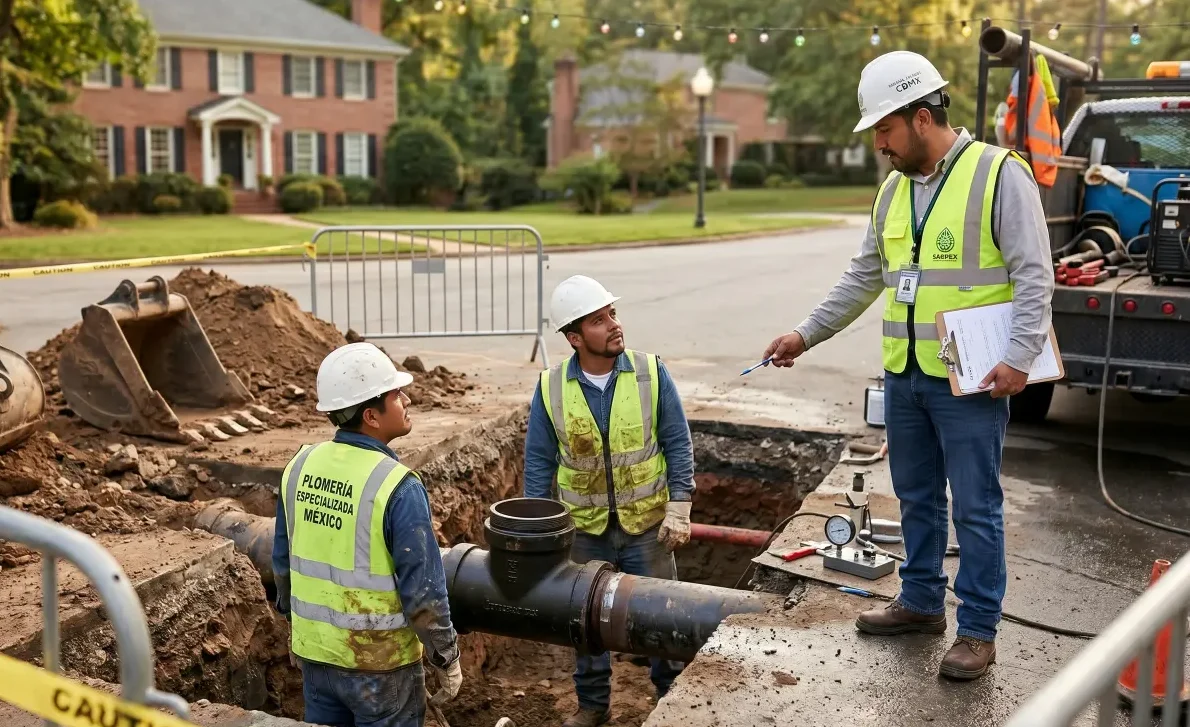
A remodel feels close to the finish line. Fixtures are picked, the schedule is set, the contractor is lined up, and the start date is coming fast. Then someone asks, “Did you pull the permit yet?”
That is usually the moment the stress hits. If your remodel starts next week, you are not looking for a long lesson in code language. You want a practical answer to one question: is a plumbing permit required for the work you are about to do?
The hard part is that homeowners often get conflicting advice. One person says a permit is only for major projects. Another says any plumbing change needs one. A contractor may say it is handled. A friend may say they never pulled one for a similar job. By that point, it can feel like the entire schedule depends on getting a straight answer quickly.
In many areas, plumbing permits are less about the fixture itself and more about the kind of work being done behind the wall, under the floor, or at the connection points. A simple replacement in place may be treated differently from moving plumbing in a remodel, changing a gas line, or repairing a sewer line. That is why permit questions often surface late: the visible project looks simple, but the plumbing scope underneath it is not.
The good news is that you do not need to become a permit expert overnight. You just need a practical way to spot common triggers, clarify who is responsible, and keep the project from sliding because everyone assumed someone else was handling it.
Why Plumbing Permits Create So Much Last-Minute Stress
Plumbing permit questions usually show up late because they are not the exciting part of the project.
Homeowners spend time choosing finishes, reviewing layouts, comparing quotes, and trying to keep the remodel on budget. Permit paperwork often gets pushed to the background until the job is close enough to feel real. Then the questions start all at once. Is the work permit-required? Who is supposed to pull it? Will there be an inspection? Does this affect the start date?
A lot of that stress comes from the difference between what the homeowner sees and what the plumbing system actually involves.
Replacing a faucet in place feels straightforward. Swapping a toilet for another toilet in the same location feels straightforward too. But once the project involves moving a sink, changing a shower drain, replacing a water heater, tying into a gas line, or doing sewer work, the conversation often shifts. Even if the finished room looks simple, the plumbing system may be changing in ways that trigger review, permitting, or inspection.
That is why homeowners often get caught off guard. They are thinking about the visible change. The permit question is usually tied to the hidden work.
And when a remodel starts next week, that difference matters. A missed permit can create avoidable delays, especially when the issue is discovered after scheduling, demolition, or installation plans are already in motion.
A Fast Homeowner Checklist for Spotting Common Permit Triggers
If you need a quick filter before making calls, start here.
First, ask whether the work is a true replacement in place or a system change. Those are not always treated the same. If the project keeps the plumbing in the same location and does not change routing, capacity, or fuel type, it may be simpler from a permit standpoint than a job that moves lines or changes how the system functions.
Second, ask what parts of the system are being touched. If the job involves water lines, drain lines, sewer lines, or gas piping, it deserves closer attention. Many homeowners assume the fixture defines the permit question. In practice, it is often the piping and system work behind it that matters more.
Third, ask whether the project is part of a larger remodel. Even when a plumbing change seems modest by itself, it may fall under a broader permitted project if the remodel includes inspections, multiple trades, or other building work that is being reviewed together.
A practical way to use this checklist is to look at your project and ask:
Are we replacing a fixture where it already sits, or are we moving plumbing?
Are we changing only the visible product, or are we altering drain, water, sewer, or gas connections?
Is this a one-off repair, or is it tied to a remodel that already has other permit or inspection steps?
If your answer leans toward movement, routing changes, fuel-related work, or larger remodel coordination, the permit conversation should happen now, not after work begins.
The Common Projects That Often Raise Plumbing Permit Questions
Some projects create permit questions more often than others. That does not mean every city treats them the same way. It means these are the kinds of jobs where homeowners should stop assuming and start confirming.
Water heater replacement
This is one of the most common questions homeowners search because it feels like a product swap. The old unit comes out, the new one goes in, and the job seems routine.
But in many areas, water heater replacement may require permitting or inspection. That is especially important when the replacement involves more than matching the old unit. Changes in type, venting setup, fuel connection, location, or related components may affect how the job is treated.
That is why “do I need a permit to replace a water heater” does not have a universal yes-or-no answer that works everywhere. It is a common permit-sensitive project, and it is worth clarifying before installation is scheduled.
Moving plumbing in a bathroom or kitchen remodel
This is where homeowners often underestimate the permit conversation.
Moving plumbing lines or fixture locations often triggers more formal review than simple like-for-like replacement. A vanity that shifts to a new wall, a shower that moves, a toilet relocation, or a kitchen sink moved into an island all change the scope behind the finished surfaces.
The homeowner may still think of the project as “just a remodel,” but the permit issue often turns on whether the system is being reworked. That is why a permit for moving plumbing in a remodel is a separate question from replacing a fixture in the same place.
Gas line work tied to appliances or upgrades
Gas line permit requirements are another area where homeowners can get tripped up because the plumbing conversation overlaps with other trades.
A project may start as a water heater replacement, range upgrade, outdoor kitchen plan, or appliance change. Then someone mentions the gas line. At that point, the job is no longer just about swapping equipment. Gas line work is commonly treated as permit-sensitive and should be confirmed before the job starts.
This is also an area where assumptions are risky. A contractor may be handling it. A separate trade may be involved. The permit may be part of a larger project or treated separately. The key is not to assume that because the visible appliance seems straightforward, the gas work is automatically simple too.
Sewer repair or replacement
Homeowners dealing with sewer problems are often already stressed before permits even come up.
When the conversation shifts to repair, replacement, or reworking a line, plumbing permit for sewer repair becomes a common concern. In many areas, sewer work is the kind of project that often involves permitting, especially when lines are being repaired, replaced, or reworked.
This matters because sewer jobs are easy to think of as emergency-only decisions. But even when the need feels urgent, it is still important to know what approvals, inspections, or paperwork may be part of the process.
The Real Rule of Thumb: Repairs in Kind Are Different From System Changes
Most homeowners want one clean rule that explains everything. The closest practical version is this: repairs in kind are often treated differently from work that changes the system.
That does not mean every simple replacement is permit-free. It means the permit conversation often gets more serious when a project changes location, routing, capacity, fuel source, or the way the plumbing system is configured.
This is where homeowners often make understandable mistakes. They assume that because the same room is involved, the job is basically the same. But from a plumbing standpoint, changing a sink location, rerouting a drain, moving a water line, or altering a gas connection is not the same as replacing an existing fixture where it already sits.
The same issue comes up with remodel planning. A bathroom renovation may feel cosmetic until you decide the shower should move, the toilet should shift, or the water heater should be upgraded during the project. Those decisions can change the permit conversation because they change the work happening behind the walls.
That is the real distinction worth keeping in mind. If the project preserves the existing plumbing arrangement, it may stay in a simpler category. If it changes the system, the odds of permitting, review, or inspection commonly go up.
Who Pulls the Plumbing Permit—Homeowner or Contractor?
This is one of the most important questions to settle before work starts.
Homeowners often assume the contractor is handling permit paperwork. Contractors sometimes assume the owner understands what is included and what is not. That gap is where problems begin.
Why this is usually handled before work starts
Permit responsibility is not something to clarify after demolition is underway. If the project requires paperwork or inspection coordination, that should usually be resolved before the work calendar is locked.
This is partly about logistics. If a permit is needed, there may be timing attached to filing, approval, inspection scheduling, or coordination with the rest of the remodel. The later that question gets answered, the more pressure it puts on everyone involved.
What to clarify in writing before the job begins
The most useful step is simple: confirm in writing who is handling permit paperwork and inspection coordination.
That does not need to be dramatic. It just needs to be clear. If you are the homeowner, ask direct questions:
Is any part of this plumbing work commonly permit-required?
If so, who is pulling the permit?
Is permit coordination included in the quoted scope?
Who schedules inspections if they are needed?
If multiple trades are involved, who is responsible for which portion?
That written clarity helps protect both timeline and expectations.
Why “I thought they were doing it” becomes a problem
This is the sentence that causes more delay than most homeowners expect: “I thought they were doing it.”
By the time that sentence comes up, materials may already be ordered, demolition may be scheduled, and the start date may be close. Suddenly the issue is not only whether a permit is needed. It is whether anyone has actually taken ownership of it.
That is why the question “who pulls plumbing permit homeowner or contractor” matters so much. It is not just administrative. It is a schedule-protection question.
The Contrarian Reality: The Permit Problem Is Often a Communication Problem
Homeowners tend to think permit issues are mostly about bureaucracy. Sometimes they are. But many delays come from unclear scope long before paperwork becomes the visible problem.
A remodel can look simple until someone explains what the plumbing work actually involves. A water heater replacement may include more than the homeowner realized. A bathroom update may involve moving lines, not just replacing finishes. Gas or sewer work may be part of the plan without being clearly separated in the original quote.
When that scope is vague, permit responsibility also becomes vague. One person thinks the job is a simple swap. Another person sees it as a system change. The homeowner hears a casual “should be fine” and assumes the issue is settled.
That is why permit stress often has less to do with the form itself and more to do with unclear communication around the job. The paperwork becomes a problem because the scope, responsibilities, and assumptions were never fully lined up.
This is actually good news for homeowners because communication problems are often easier to fix early than code problems discovered late. A calm conversation now can prevent a much more frustrating one next week.
Common Mistakes That Lead to Delays or Failed Inspections
The first common mistake is starting work before permit responsibility is confirmed. This is especially risky when the project is already on a tight timeline. If you assume the contractor is handling it and they assume it is not part of their scope, the problem may not show up until the work is ready to begin.
The second mistake is assuming replacement means no permit in every case. Homeowners often think the old product coming out and a new one going in automatically makes the job simple. But in many areas, water heater replacement, gas work, or other system-related changes may still need review.
The third mistake is forgetting that gas line or sewer work may be treated differently from the visible project attached to it. A remodel quote may describe the kitchen, bath, or appliance, while the permit-sensitive part is actually the line work behind it.
The fourth mistake is treating inspection scheduling as an afterthought. Even when permit paperwork is handled, inspections may still affect the sequence of work. If no one has planned for that, the project can slow down at exactly the point when the homeowner expected it to accelerate.
And finally, homeowners sometimes rely too heavily on casual comparisons. A neighbor may say they did a similar job without a permit. An online forum may offer a confident answer. But permit rules often depend on local requirements and the exact scope of work. Similar is not always the same.
What to Do This Week if Your Remodel Starts Soon
If your remodel starts next week, the goal is not to panic. It is to get clarity fast.
Start by asking your contractor or plumbing professional for a direct scope summary. Ask what plumbing work is actually being performed, not just what the finished project includes. You want to know whether the job is a true replacement, a plumbing relocation, a gas-related project, a sewer-related project, or part of a broader remodel that may involve inspection steps.
Next, gather the details before you call. Have the project address ready, the type of work being done, the list of fixtures or systems being changed, and whether any lines are moving. If the project involves water heater replacement, gas line work, or sewer repair, say that clearly instead of describing it only as a remodel.
Then confirm responsibility. Ask who is handling permit paperwork, whether that is included in the project scope, and whether any inspection timing affects the start schedule.
If the answer you get is vague, keep asking until it becomes specific. This is not the moment for soft assumptions. It is the moment for clean handoff points.
If your remodel starts soon and you are unsure whether the plumbing work needs permits, it helps to clarify the scope before the schedule slips.
Daniel’s Plumbing Services helps homeowners in the Atlanta area understand what kind of plumbing work is involved, what questions to ask early, and how to avoid preventable project delays.
Call to discuss your project or make an appointment before work begins.
When It Makes Sense to Bring in a Licensed Plumbing Pro Early
The best time is usually before the project becomes rigid.
If you are still deciding whether to move plumbing in a remodel, replace a water heater, add gas line work, or schedule sewer repair, that is a strong time to bring in a licensed plumbing pro. Early clarification can help you understand whether the job is likely to stay simple or whether it needs more planning.
This is especially valuable when multiple trades are involved. A remodel may include tile, cabinetry, fixtures, appliance work, and plumbing changes all at once. The earlier the plumbing scope is clarified, the easier it is to avoid surprises later.
Bringing in a licensed plumbing professional early also helps with responsibility questions. You can get clearer answers about what kind of work is involved, what should be confirmed before the start date, and where permitting or inspection issues may come into the picture.
For homeowners, that usually means less guessing and better timing. And when a project start date is close, that clarity matters as much as the work itself.
If your remodel starts soon and you are unsure whether the plumbing work needs permits, it helps to clarify the scope before the schedule slips.
Daniel’s Plumbing Services helps homeowners in the Atlanta area understand what kind of plumbing work is involved, what questions to ask early, and how to avoid preventable project delays.
Call to discuss your project or make an appointment before work begins.
FAQ
Do I need a plumbing permit to replace a water heater?
In many areas, water heater replacement may require permitting or inspection. The safest approach is to confirm based on your local requirements and the exact scope of the job, especially if the replacement involves changes beyond a like-for-like swap.
Is a permit required for moving plumbing during a remodel?
Moving plumbing lines or fixture locations often triggers more formal review than simple like-for-like replacement. If a sink, shower, toilet, or other fixture is being relocated, it is worth treating that as a permit-sensitive question early in the planning process.
Do gas line changes need a permit?
Gas line work is commonly treated as permit-sensitive and should be confirmed before the job starts. This is true even when the visible project seems straightforward, such as a water heater or appliance upgrade.
Is sewer repair permit-required?
Sewer repair or replacement often involves permitting, especially when lines are being repaired, replaced, or reworked. Because sewer work can vary by scope and local requirements, it is important to confirm before scheduling the job.
Who usually pulls the plumbing permit, homeowner or contractor?
That depends on the project setup and local practice, but it is worth confirming in writing before work begins. The important part is not assuming someone else is handling it.
Can a remodel be delayed if the plumbing permit is not handled before work starts?
Yes, permit confusion can create avoidable delays, especially when discovered late in the schedule. Even when the work itself is straightforward, unclear responsibility or missed inspection steps can slow the project down.
If your remodel starts soon and you are unsure whether the plumbing work needs permits, it helps to clarify the scope before the schedule slips.
Daniel’s Plumbing Services helps homeowners in the Atlanta area understand what kind of plumbing work is involved, what questions to ask early, and how to avoid preventable project delays.
Call to discuss your project or make an appointment before work begins.
RELATED LINK: