
Think back a few decades. Smoke alarms weren’t in every bedroom. Some homes had one in the hallway—maybe. Over time, we realized how much damage fires could do while we slept or were away. Codes changed, prices dropped, and today it feels strange to walk into a home without working smoke alarms.
Smart leak detection is on that same path.
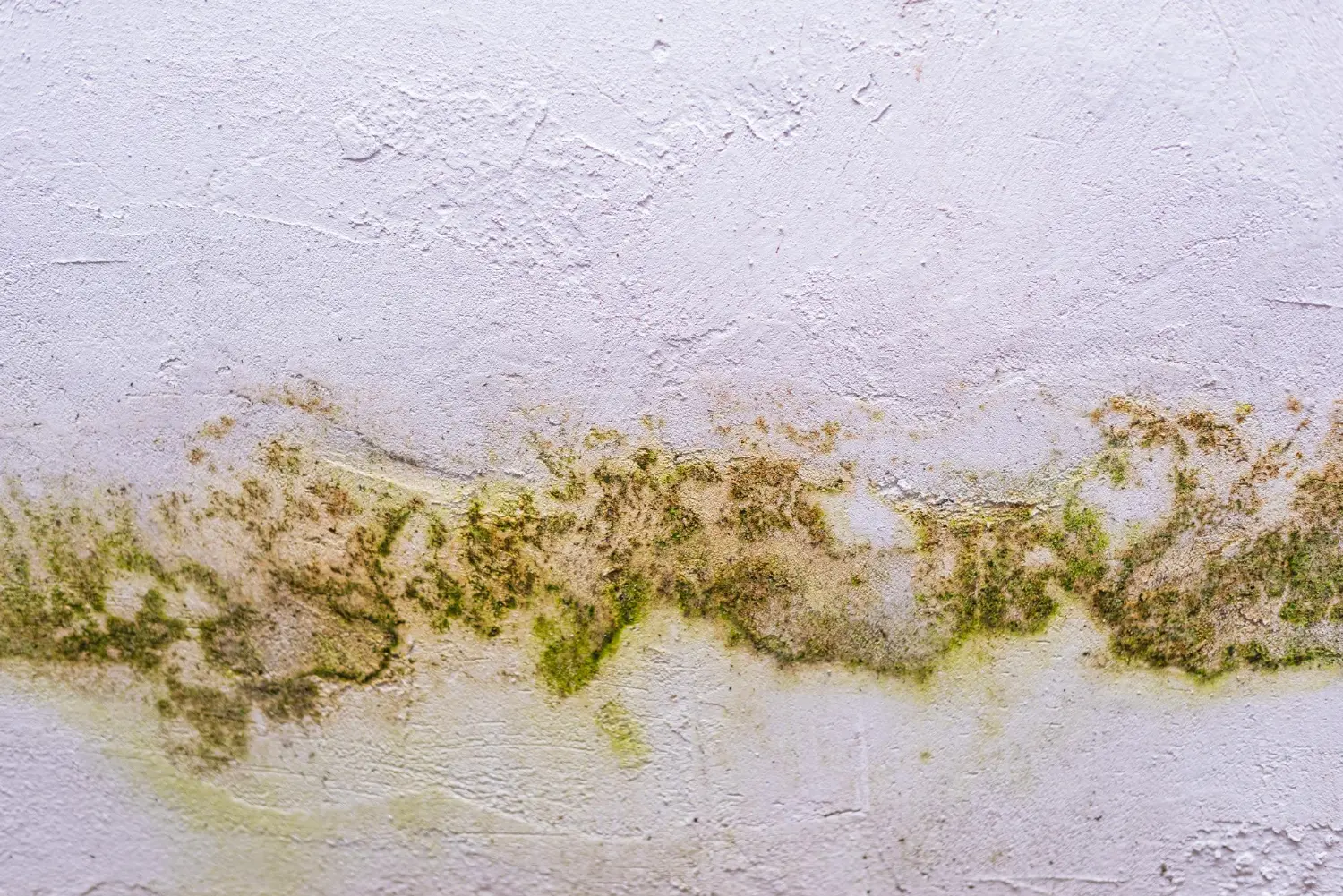
Water damage is one of the costliest and most common problems homeowners and landlords face. A hidden leak can quietly soak walls, floors, and belongings for hours—or days—before anyone sees a stain. Smart leak detection systems are designed to catch those problems early, send alerts, and even shut off water automatically, turning a potential disaster into a manageable inconvenience.
In this article, we’ll walk through the smart leak detection benefits, how the technology actually works, and why, in a few years, you may be surprised any home doesn’t have it.
From Rare Luxury to Standard Safety: How Home Tech Evolves
Remember when smoke alarms weren’t in every bedroom?
There was a time when:
- Smoke alarms were rare, battery technology was clunky, and devices were expensive.
- Many people saw them as “extra gadgets,” not essential safety gear.
As more data came in about house fires, the conversation shifted from “nice-to-have” to “you really should have these.” Manufacturers improved designs, prices dropped, and building codes began requiring them.
Today, no one calls smoke alarms a luxury.
The pattern: from early adopters to building code requirements
Most safety technology follows a similar pattern:
- Early adopters buy new tech for peace of mind or out of curiosity.
- Evidence grows that the tech prevents major losses or injuries.
- Prices drop, and installation becomes easier.
- Standards and expectations change—lenders, insurers, and codes start to notice.
- The tech becomes normal, not fancy.
You can see this with seat belts, smoke alarms, carbon monoxide detectors, and home security systems.
Where leak detection sits on that curve today
Smart leak detection is now in the middle of that curve:
- Devices are far more affordable and reliable than they were a few years ago.
- Well-known brands (including systems like StreamLabs and others) offer easy-to-use water monitoring and automatic shutoff options.
- Insurance and plumbing professionals increasingly encourage early detection as a key part of home protection.
In other words: what feels “high-tech” today is likely to feel just “standard” in the not-too-distant future.
The Real Risk Profile: How Often Water Damage Really Happens
Why leaks are one of the top home insurance claims
Insurance and industry reports consistently show that water damage is one of the most common reasons homeowners file claims:
- Burst supply lines
- Failed water heaters
- Overflows and appliance leaks
Unlike some risks, water problems don’t only happen in old homes. New construction can have failures too. That’s why focusing on smart leak detection benefits isn’t about being paranoid—it’s about recognizing how often water is the real troublemaker.
Small leaks vs catastrophic bursts: same root problem, different outcomes
Both small and large events come from the same basic issue: uncontrolled water where it shouldn’t be.
- A small slow leak behind a washing machine might soak drywall and flooring for days.
- A sudden pipe burst can flood a room in minutes.
The difference between “a quick cleanup” and “months of repairs” often comes down to one thing: how quickly you notice and shut off the water.
Common sources: water heaters, supply lines, toilets, ice makers, washing machines
High-risk spots in an average home include:
- Water heaters and their relief valves
- Toilet supply lines and fill valves
- Washing machine hoses
- Refrigerator ice maker lines
- Under-sink connections in kitchens and bathrooms
These are exactly the places smart leak detection can watch continuously—even when you’re asleep or out of town.
How Smart Leak Detection Actually Works (Without the Jargon)
Point sensors vs whole-home flow monitoring
Most systems fall into two broad categories:
- Point sensors
- Small devices placed in specific areas: under sinks, near water heaters, behind toilets, in laundry rooms.
- They detect moisture on the floor and send an alert when water is present.
- Whole-home flow monitoring systems
- Installed on the main water line (often near your shutoff).
- Continuously monitor water usage patterns.
- Look for unusual flow—like continuous running that suggests a leak—even if water isn’t pooling near a sensor.
Some homeowners start with a few point sensors. Others choose a whole-home smart valve system (like StreamLabs or similar products) for full water monitoring coverage.
Automatic shutoff: what happens the second a leak is detected
Many advanced systems don’t stop at alerts. They can also trigger automatic shutoff:
- A point sensor detects water or the main monitor sees abnormal flow.
- The system sends a signal to a smart valve on your main water line.
- The valve closes, stopping water from feeding the leak.
Instead of hours of continuous flow, you get minutes—or even seconds—of water before the system intervenes. That’s often the difference between a towel cleanup and a full flooring replacement.
App alerts, notifications and how non-technical homeowners use them
You don’t have to be “techy” to use these systems. Most:
- Connect to a simple smartphone app.
- Send push notifications, texts, or emails when something’s wrong.
- Allow basic settings like vacation mode (tighter thresholds when you’re away).
In many cases, once a system is installed and configured, you hardly think about it. It quietly works in the background—just like your smoke alarms.
It’s Not About Gadgets, It’s About Sleep and Suitcases
The 3am “squish” nightmare most homeowners secretly fear
Every homeowner knows this fear, even if they don’t say it out loud:
- Walking into the kitchen at 3am and feeling “squish” instead of tile.
- Stepping into a basement with soaked carpet and the smell of damp drywall.
At Daniels Plumbing, we’ve met many families in that exact moment—exhausted, stressed, and wondering how long the leak has been running.
Smart leak detection is not about having a cool app. It’s about reducing the chances you ever live that scene.
Out-of-town and second homes: where tech pays for itself fastest
Leak detection really shines when:
- You travel frequently for work.
- You have a vacation home.
- You manage rental properties.
Picture this: you’re away for a long weekend. A washing machine hose fails hours after you leave. With no monitoring, water flows until someone notices—if they notice. With smart leak detection, the system can:
- Spot abnormal water flow
- Close the valve
- Send you an alert
You may still need a repair and cleanup, but the scale of damage is dramatically smaller.
Why peace of mind is the real product, not the device
Yes, the hardware matters. Yes, the app is useful. But what homeowners really pay for is:
- Sleeping better during storms
- Locking the door for vacation without worrying about pipes
- Knowing someone—well, something—is “on duty” 24/7
Those smart leak detection benefits are emotional as much as practical.
Decision Point – Do You Need Basic Sensors or a Full Monitoring System?
The minimalist: critical appliances only
If you’re just getting started or on a tight budget, you might:
- Place simple leak sensors at your highest-risk spots (water heater, washing machine, under kitchen sink).
- Rely on alerts when you’re home or nearby.
This approach is a big step up from nothing and can catch many common problems early.
The balanced homeowner: key zones plus monitoring
A middle path combines:
- Point sensors in critical areas
- A main-line water monitoring device that tracks overall usage
This gives you both local detection and a big-picture view, helping catch issues that might not pool near a sensor right away.
The fully protected home: whole-home shutoff and alerts everywhere
For maximum protection, some homeowners and landlords choose:
- A smart main shutoff valve
- Whole-home flow monitoring
- Strategic sensors in basements, under appliances, and in mechanical rooms
This offers the strongest shield against unnoticed leaks, especially for larger homes and multi-unit properties.
Schedule a Leak Protection Assessment for Your Home
Talk with Daniels Plumbing about your home’s layout, risk points, and budget. We’ll help you choose between basic sensors, whole-home monitoring, or a combination that fits your real life—not just the gadget catalogs.
Where Leak Detection Fits into Your Overall Risk Plan
How it works alongside smoke alarms and security systems
Think of smart leak detection as the third safety pillar:
- Smoke alarms protect against fire.
- Security systems protect against intruders.
- Leak detection protects against water damage.
Each handles a different but very real risk. Together, they give you a more complete safety net for your home or rental property.
When to loop in your insurance agent or broker
Without promising any specific premium changes, it’s reasonable to:
- Let your insurance agent know if you’ve added leak detection and automatic shutoff.
- Ask whether they have any programs, recommendations, or documentation they suggest you keep.
Some insurers may view proactive measures positively, especially when it comes to preventing major claims—but specifics depend on your policy and provider.
Why proactive protection can strengthen your claim story
Even when technology doesn’t prevent an issue entirely, it can:
- Show that you took reasonable steps to manage risk.
- Provide data logs of when water was flowing and when shutoff occurred.
- Support your timeline if you need to file a claim.
Again, no guarantees—but being proactive rarely hurts when you’re explaining what happened and how you responded.
Mistakes to Avoid When Adding Leak Protection
Relying on standalone sensors without ever checking batteries
Battery-powered sensors are excellent—but only if they work:
- Set calendar reminders to test them, just like smoke alarms.
- Change batteries on a schedule instead of waiting for low-battery chirps (especially in out-of-the-way areas).
“Set and forget” only works if you include planned checks.
Installing a system and never adjusting settings or testing it
For app-based systems:
- Walk through the initial setup carefully.
- Make sure notifications are going to the right phones or email addresses.
- Run a simple test (a damp cloth near a sensor, for example) to confirm alerts are working.
Spending an extra hour on setup can save you a lot of stress later.
Assuming “my plumber will see it during annual maintenance”
Regular maintenance is important, but:
- A plumber might be on-site once a year.
- Leaks can start any day, at any hour.
Smart leak detection doesn’t replace professional maintenance; it fills the gap between visits.
Transformation – From Hoping Nothing Breaks to Managing the Risk
What changes in your day-to-day once monitoring is in place
With leak detection in place, many homeowners say they:
- Worry less about “what’s happening while we’re gone.”
- Feel more comfortable using appliances like dishwashers or washing machines before bed.
- Stay calmer during cold snaps or heavy storms.
Your daily habits don’t have to change much—but your stress level often does.
The emotional shift when you leave town or go to sleep
Instead of mental “what if” lists, you have:
- A system watching for unusual water use
- A clear plan if an alert comes in (you, a neighbor, or a trusted professional can respond)
That shift—from hoping nothing goes wrong to knowing you have a safety net—is one of the biggest smart leak detection benefits.
How combining leak tech with good maintenance slashes your odds of disaster
The best protection comes from pairing:
- Smart leak detection and automatic shutoff
- Routine maintenance (inspections, hose replacements, water heater checks)
- Good everyday habits (not ignoring small drips or moisture signs)
Nothing can eliminate all risk, but together these steps can dramatically lower the odds of facing a major water disaster.
First Steps: How to Start with Leak Detection in a Real Home
Quick self-audit: your top 5 leak risk points
Walk through your property and list:
- Water heater location
- Washing machine
- Dishwasher and refrigerator (if they have water lines)
- Bathrooms with older fixtures
- Any room with a history of dampness or musty smells
These are your first candidates for sensors or monitoring.
How to choose the first system or level of protection
Ask yourself:
- “Do I just want alerts in a few key areas?” (Start with point sensors.)
- “Do I travel or manage rentals where I need more certainty?” (Consider main-line monitoring.)
- “Am I planning to stay in this home long-term?” (Whole-home systems often make the most sense over several years.)
You don’t have to do everything at once. You can build your leak protection in stages.
What to ask a plumber or installer before you commit
Before installing any system, ask:
- “Which areas of my home are highest risk for leaks?”
- “Would you recommend point sensors, main-line monitoring, or both for my situation?”
- “How will I receive alerts, and what happens if the system shuts off the water?”
- “What routine checks or tests should I do to keep everything working properly?”
Get a Whole-Home Leak Risk Audit Checklist (Download) – Daniels Plumbing can provide a simple checklist to walk you through your home’s top leak risks so you know exactly where to start with smart leak detection.
The Future “Normal” for Safe Homes
Today, smart leak detection may feel like something only “techy” homeowners and high-end properties install. But if you zoom out and follow the same pattern as smoke alarms and security systems, it’s clear where we’re heading.
Homes are becoming more connected not for novelty—but for safety and peace of mind. Early detection, automatic shutoff, and clear alerts mean fewer surprises, fewer ruined floors, and fewer 3am “squish” moments.
You don’t have to convert your home into a gadget showroom. You just need a thoughtful plan, the right level of protection, and a trusted professional to guide you.
As a long-standing, community-focused plumbing company, Daniels Plumbing is here to help you make that plan practical and affordable.
Schedule a Leak Protection Assessment for Your Home
Reach out to Daniels Plumbing today, and we’ll walk through your home’s unique risk points and outline smart leak detection options that fit your budget, your lifestyle, and your peace of mind.