
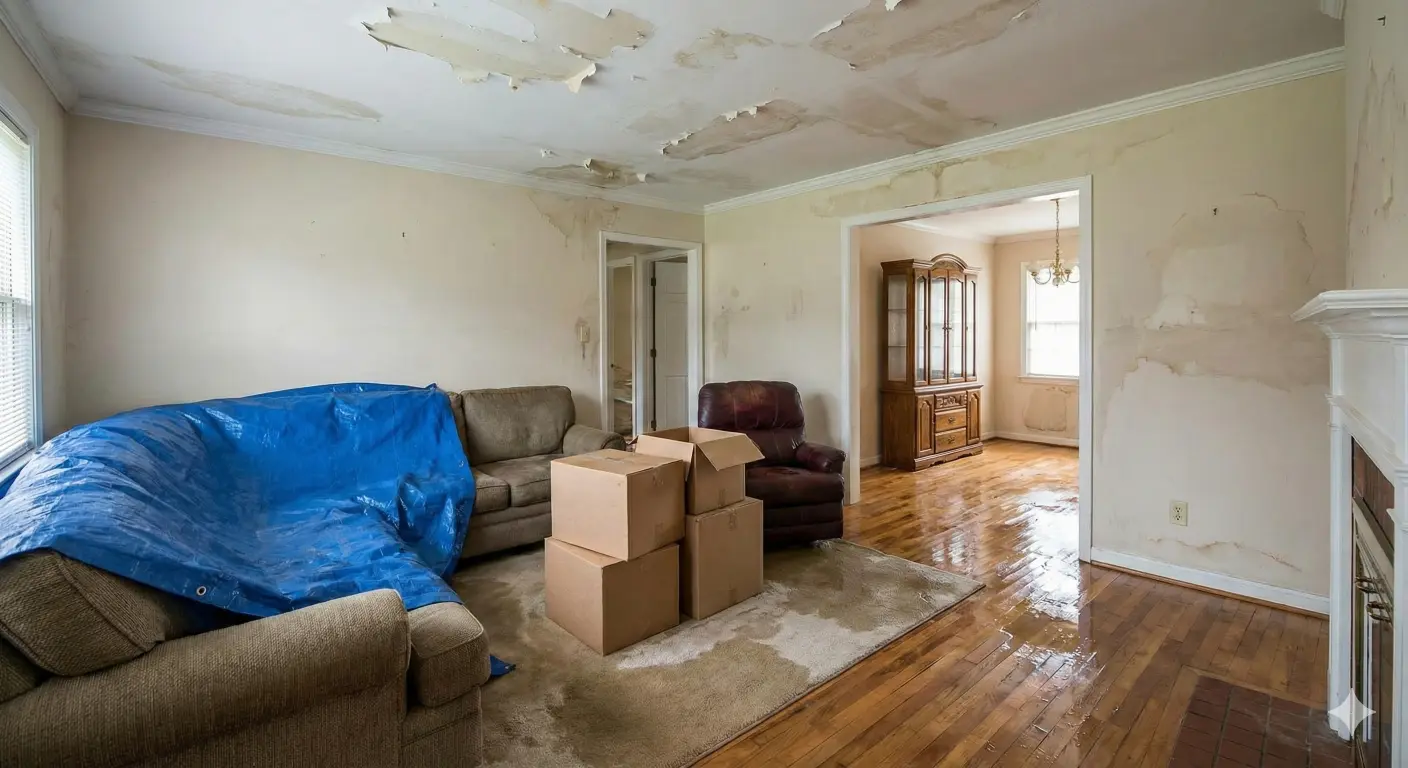
When homeowners and landlords look at smart leak detection, the first question is usually:
“Can I really justify this cost?”
But that’s not how insurance looks at water damage. Your carrier sees frequency and severity of claims, deductibles, and non-covered costs—like mold, code upgrades, hotel nights, and lost rent.
This article reframes the question from “Can I afford leak tech?” to “Can I afford even one serious water damage claim?” Once you run the numbers, the leak detection ROI often becomes surprisingly clear: a single prevented or reduced leak can easily cover the cost of a smart system.
(Important: This article is general information only and not legal or insurance advice. Always confirm details with your own insurer or advisor.)
Why Water Damage Claims Are So Painful—Even When You’re “Covered”
Deductibles, limits and exclusions most homeowners forget about
On paper, it seems simple: you pay premiums, and if something goes wrong, insurance takes care of it.
In practice, water damage claims usually come with:
- Deductibles – Often in the low four-figure range for many policies.
- Coverage limits – Certain items or categories have caps.
- Exclusions – Gradual leaks, pre-existing damage, and some types of mold or rot may have limited coverage.
So even when a claim is accepted, you may be responsible for:
- The entire deductible
- Non-covered portions of the loss
- Upgrades beyond “like-for-like” replacement
That’s before you factor in the stress and time it takes to manage the claim.
The non-insurance costs: hotels, storage, missed work
Some of the most painful expenses never appear in your policy documents:
- Hotel or temporary housing when your home is unlivable
- Storage units for furniture and belongings
- Missed work to meet adjusters and contractors
- Childcare or pet boarding during noisy or disruptive repairs
These “soft costs” rarely get fully reimbursed, if at all. They’re part of the real price of a major leak that no coverage can completely erase.
Claim history and its impact on future premiums
Water damage claims can also affect the future cost of your insurance:
- Multiple claims in a short period can push premiums higher.
- Some carriers may raise deductibles or adjust terms after large losses.
- In extreme cases, coverage can be non-renewed or harder to replace.
Avoiding even one claim—or reducing its severity—can help keep your long-term insurance costs more stable.
The Mathematics of a Single Leak vs a Smart System
Typical system cost ranges vs a common deductible
Exact figures vary by brand, installer, and property size, but broadly:
- A professionally installed smart leak detection and automatic shutoff system is often in the same ballpark as one typical homeowners deductible.
- Add a few targeted sensors in high-risk areas, and the total is still usually in the “one-deductible” range for many standard policies.
In other words, it’s reasonable to compare:
One system cost ≈ One serious claim’s deductible + part of the uncovered damage
If leak tech helps you avoid even a single significant water loss, it can be very close to a one-time “break-even” investment.
(All amounts are illustrative only; check real pricing and deductibles for your situation.)
Scenario math: minor leak caught early vs full-blown loss
Consider a simple, hypothetical comparison:
| Scenario | What Happens | Example Out-of-Pocket Impact* |
| No leak tech | Supply line fails while you’re away; water runs for hours; walls, floors, and contents are soaked. | Pay your deductible, plus non-covered costs (mold, upgrades, hotel, storage, time). |
| With leak tech | Same failure, but system detects abnormal flow within minutes and shuts off water; you receive an alert. | You still pay for repair and some cleanup, but damage is sharply limited; you may decide not to file a claim at all. |
*Illustrative only. Actual costs depend on your policy, location, and severity of damage.
The leak detection ROI isn’t that the system prevents all problems. It’s that it reduces “hours of uncontrolled water” to a short event—often the difference between a towel, a fan, and a plumber… or months of insurance-driven repairs.
How landlords and portfolio owners multiply that risk across units
For landlords, Airbnb hosts, and small portfolio owners:
- Each unit is another potential source of water damage.
- Tenants may not notice—or report—leaks immediately.
- A single building can have multiple kitchens, baths, and laundry hookups.
If one system (or a set of systems) protects multiple units, the math changes further:
- One avoided claim per building over a few years can pay for leak tech many times over.
- Prevented losses mean fewer rent interruptions and less tenant churn due to disruption.
Request a Leak Prevention ROI Assessment for Your Property – Daniels Plumbing can walk you through what a smart leak system would cost for your home or rental and compare that to your deductible, risk profile, and typical water damage scenarios.
How Insurers View Leak Prevention Technology
Why carriers care about frequency and severity of water claims
Insurers look at two key factors:
- Frequency – How often claims occur.
- Severity – How expensive each claim is.
Water is a big problem on both fronts: frequent and often expensive. Anything that:
- Catches leaks early
- Reduces the amount of water released
- Shortens the time before shutoff
…can help lower both frequency and severity. That’s why many carriers are paying closer attention to leak prevention technology.
Situations where tech may unlock discounts or preferred status
Some insurers:
- Offer small discounts or special programs for homes with qualifying leak detection and automatic shutoff systems.
- Partner with specific brands or recommend certain types of monitoring.
However:
- Not every policy offers a discount.
- Where discounts exist, they may be modest compared to a potential claim size.
That’s why it’s wise to think of any premium reduction as a bonus, not the entire ROI story.
Using documentation and monitoring history to support a claim
Even when tech doesn’t prevent a loss entirely, it may help with:
- Timeline clarity – Logs can show when abnormal flow began and when shutoff happened.
- Demonstrating diligence – You can show that you invested in prevention and responded quickly to alerts.
This doesn’t guarantee a claim outcome, but it can strengthen your overall narrative as a responsible owner.
“I’ll Only Buy It If My Insurance Pays for It” Is Backwards
Why waiting on a small discount misses the bigger picture
If you only adopt leak tech when a carrier offers a specific discount, you may be:
- Ignoring the far larger financial impact of one major water claim.
- Delaying protection that could save floors, walls, and personal items.
A minor percentage off your premium over a few years is nice. Avoiding a single five-figure claim, plus weeks of disruption, is something else entirely.
Viewing tech as part of your personal risk management plan
Successful owners—especially landlords and property managers—tend to think in terms of risk management, not just insurance:
- Insurance = money for when things go wrong.
- Technology + maintenance = tools to reduce the chances of things going wrong in the first place.
Leak tech belongs in the same category as:
- Smoke alarms and CO detectors
- Security systems and cameras
- Regular HVAC and roof inspections
It’s part of a layered approach to protecting your asset.
When peace of mind and avoided hassle are worth more than a small premium change
Even if premiums never changed a cent, many owners would still value:
- Not having to move out or relocate tenants
- Avoiding long-term mold concerns
- Keeping “big claims” off their record
Sometimes, not dealing with the claim at all is the real payoff.
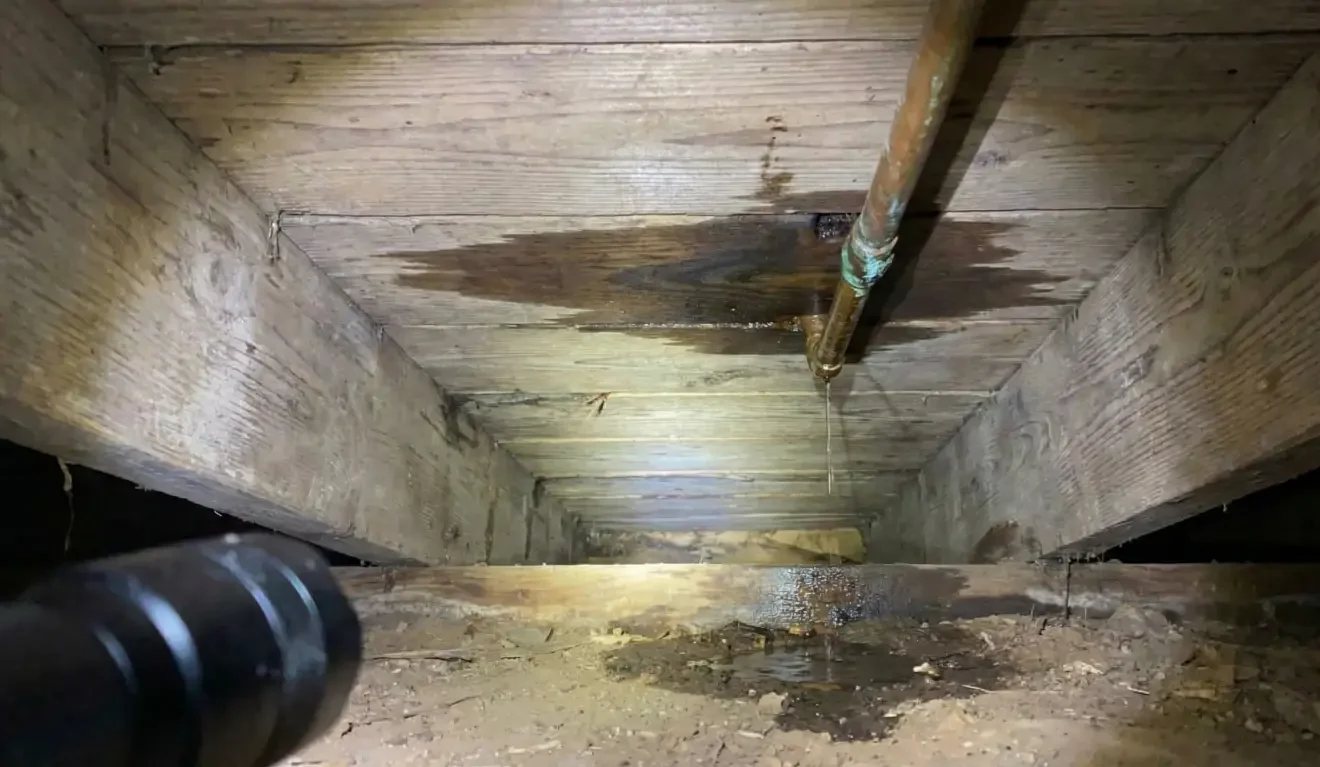
Decision Point – Which Homes See the Fastest ROI on Leak Tech?
High-risk property profiles: older homes, finished basements, second homes
Leak tech tends to pay off fastest in properties with:
- Older plumbing systems or unknown renovation history
- Finished basements with carpet, drywall, or valuable equipment
- Second homes that sit empty for days or weeks at a time
In these cases, a leak can spread unnoticed far longer—making early detection and automatic shutoff especially valuable.
High-exposure owners: landlords, Airbnb hosts, multi-unit managers
Owners with multiple occupants or frequent turnover face added risk:
- Tenants or guests may not treat the property as carefully as you would.
- Leaks can be missed or unreported until they’re severe.
- More kitchens and bathrooms mean more potential failure points.
For these owners, the leak detection ROI multiplies across units and years.
Low-risk but high-anxiety profiles who still benefit strongly
Even in newer homes or “low-risk” buildings, some owners simply value:
- Worrying less while traveling
- Feeling more confident during cold snaps or storms
- Knowing someone—or something—is watching 24/7
If your stress level around potential leaks is high, the emotional payoff alone can be significant.
Book a Leak Risk Walk-Through and System Design – Daniels Plumbing can tour your home or building, identify high-risk areas, and propose a leak prevention setup sized to your actual risks and budget.
Mistakes Owners Make When They Try to “Insure Their Way Out”
Assuming “sudden and accidental” covers slow, gradual leaks
Many policies focus on sudden and accidental damage:
- A pipe that bursts without warning
- A line that fails abruptly
Gradual issues—like a slow drip in a wall over months—are often treated differently and may have reduced coverage. Leak tech helps by:
- Catching continuous abnormal flow
- Alerting you while issues are still small
That can mean the difference between a simple repair and a denied or limited claim.
Not understanding mold, rot, or code upgrade exclusions
Mold, rot, and code-driven upgrades can be tricky areas in many policies:
- Some have strict limits or exclusions on mold remediation.
- Code upgrades (like bringing wiring or plumbing up to current standards) may only be partially covered.
Leak prevention doesn’t eliminate those issues completely, but by limiting the extent of water exposure, it can reduce the scope—and cost—of any necessary remediation.
Failing to document maintenance and previous minor incidents
Even with tech, it’s wise to:
- Keep records of plumbing inspections and maintenance.
- Note previous small leaks and how they were resolved.
- Save invoices and reports from plumbers and technicians.
A well-documented maintenance history, combined with leak monitoring, can help demonstrate that you’ve acted responsibly over time.
Transformation – From Hoping Claims Go Smoothly to Avoiding Claims Entirely
How leak tech reshapes your expectations about homeownership risk
Without leak tech, the mindset is often:
“If something big happens, that’s what insurance is for.”
With tech in place, it becomes:
“We’re doing everything reasonable to prevent big water events in the first place.”
The shift is subtle but powerful: from expecting to use insurance, to expecting not to need it for water damage most of the time.
The psychological and financial win of never calling your carrier
Not placing a claim means:
- No deductible to pay.
- No disruption for adjuster visits and contractor scheduling.
- No additional large losses on your claim history.
When a smart system turns a potential disaster into a minor repair you handle out-of-pocket, it’s often a net win—even if you never see a premium discount.
Building a layered protection strategy: maintenance, monitoring, and coverage
The strongest approach blends:
- Regular professional maintenance – Inspections, hose replacements, water heater checks.
- Smart monitoring – Leak detection sensors, flow monitoring, automatic shutoff.
- Appropriate insurance coverage – Clear understanding of your limits, exclusions, and deductibles.
Leak tech doesn’t replace insurance or good plumbing work. It connects them—spotting problems early so repairs can be made before they become claim-level events.
How to Talk to Your Insurer and Your Plumber About Leak Prevention
Questions to ask your agent about water damage coverage
When you speak with your insurance agent or broker, consider asking:
- “How does my policy handle sudden vs gradual water damage?”
- “What are my current deductibles for water-related claims?”
- “Are there any programs or documentation you recommend if I add leak detection and automatic shutoff?”
- “Do you partner with or recognize any specific types of leak prevention systems?”
You’re not asking for permission—just clarity.
What a leak-focused plumbing assessment should include
A good leak prevention assessment from a plumber like Daniels Plumbing should cover:
- The age and visible condition of key plumbing components.
- High-risk appliances and areas (water heaters, washing machines, finished basements).
- Options for smart sensors, main-line monitors, and shutoff valves.
- How to integrate new tech with your existing shutoff valves and plumbing layout.
The goal is to size the solution to your property, not to sell the biggest possible system.
Coordinating system design with your property’s unique risk profile
Every property is different:
- Some need heavy protection in a finished basement and modest coverage upstairs.
- Others require emphasis on unoccupied second homes or rental units.
- Multi-unit buildings may benefit most from main-line monitoring plus a few key sensors.
Bringing your agent’s input, your own risk tolerance, and a plumber’s expertise together helps you design a system that makes financial and practical sense.
When Technology Quietly Pays for Itself
When you zoom out, the question isn’t just:
“What does leak detection cost?”
It’s:
“What does one significant water claim really cost me—in deductibles, uncovered damage, time, stress, and future premiums?”
For many homeowners, landlords, and property managers, leak detection ROI becomes compelling when you look at:
- The price of one smart system versus one deductible
- The non-insurance costs of a major leak
- The long-term value of keeping big water losses off your claim history
As a family-owned, community-focused plumbing company, Daniels Plumbing doesn’t just fix leaks—we help you manage the risk of leaks. That includes smart, modern tools that can quietly pay for themselves by preventing the claims you never want to file.
Request a Leak Prevention ROI Assessment for Your Property – Contact Daniels Plumbing today, and we’ll help you compare the cost of leak tech with the real-world impact of water damage so you can decide, with clear numbers, if the investment makes sense for you.